Archives
- 2026-07
- 2026-06
- 2026-05
- 2026-04
- 2026-03
- 2026-02
- 2026-01
- 2025-12
- 2025-11
- 2025-10
- 2025-09
- 2025-03
- 2025-02
- 2025-01
- 2024-12
- 2024-11
- 2024-10
- 2024-09
- 2024-08
- 2024-07
- 2024-06
- 2024-05
- 2024-04
- 2024-03
- 2024-02
- 2024-01
- 2023-12
- 2023-11
- 2023-10
- 2023-09
- 2023-08
- 2023-07
- 2023-06
- 2023-05
- 2023-04
- 2023-03
- 2023-02
- 2023-01
- 2022-12
- 2022-11
- 2022-10
- 2022-09
- 2022-08
- 2022-07
- 2022-06
- 2022-05
- 2022-04
- 2022-03
- 2022-02
- 2022-01
- 2021-12
- 2021-11
- 2021-10
- 2021-09
- 2021-08
- 2021-07
- 2021-06
- 2021-05
- 2021-04
- 2021-03
- 2021-02
- 2021-01
- 2020-12
- 2020-11
- 2020-10
- 2020-09
- 2020-08
- 2020-07
- 2020-06
- 2020-05
- 2020-04
- 2020-03
- 2020-02
- 2020-01
- 2019-12
- 2019-11
- 2019-10
- 2019-09
- 2019-08
- 2019-07
- 2019-06
- 2019-05
- 2019-04
- 2018-11
- 2018-10
- 2018-07
-
ASC was reported as a potent antiviral and
2020-09-29
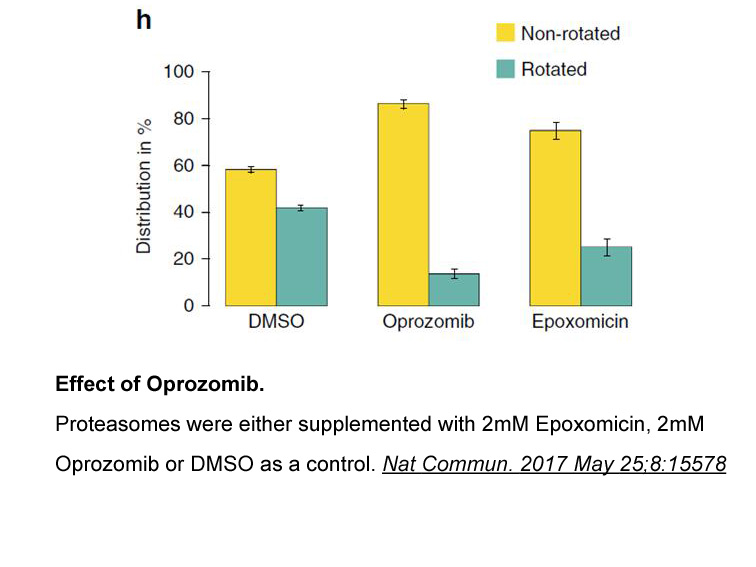
ASC was reported as a potent antiviral and antifungal agent, and its derivatives could modulate a variety of physiological activities, such as anti-tumor, anti-metastatic, and anti-diabetic activities in animals. Mie Tsuruga et al. found that 4-o-methylascochlorin had immunosuppressive activity, but
-
In children only the genotype
2020-09-29
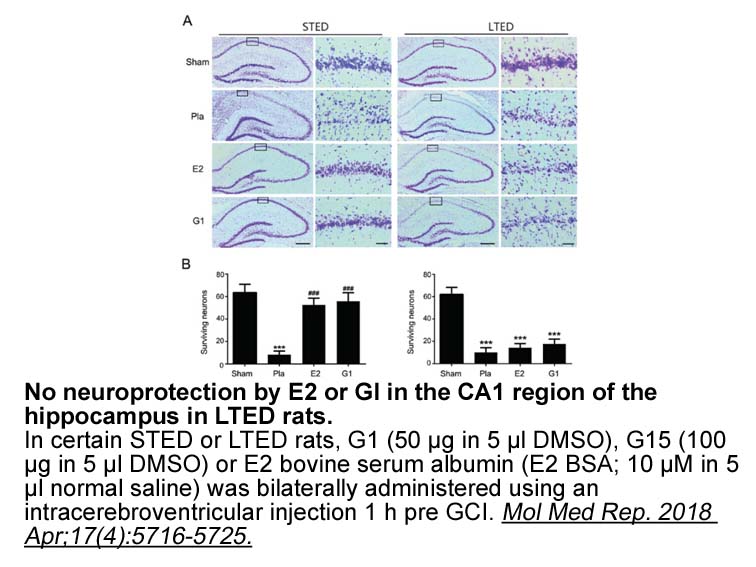
In children, only the 6/7 genotype was associated with spina bifida, increasing the risk about 4 times relative to the DHFR 3/3 and 6/6 genotypes. However, the 95%CIs are broad and only few spina bifida patients have the DHFR 6/7 genotype. The effect of the 6/7 genotype on spina bifida risk is there
-
Cell lines which possess microglial or neuronal properties
2020-09-29
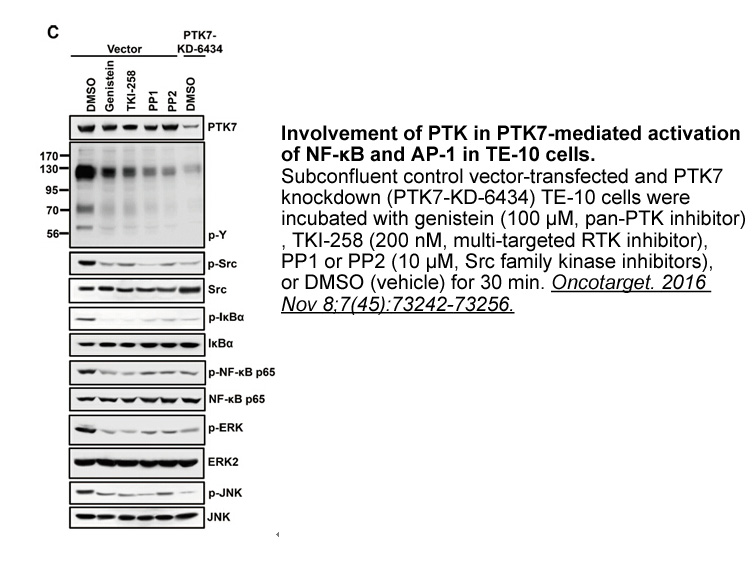
Cell lines which possess microglial or neuronal properties are uncomplicated and convenient in vitro models for studying SID 26681509 injury at the cellular and molecular levels. Microglial BV-2 cells are derived from the immortalized mouse microglia and exhibit many of the morphological, phenotypi
-
The cysteinyl leukotrienes cysLTs LTC LTD
2020-09-29
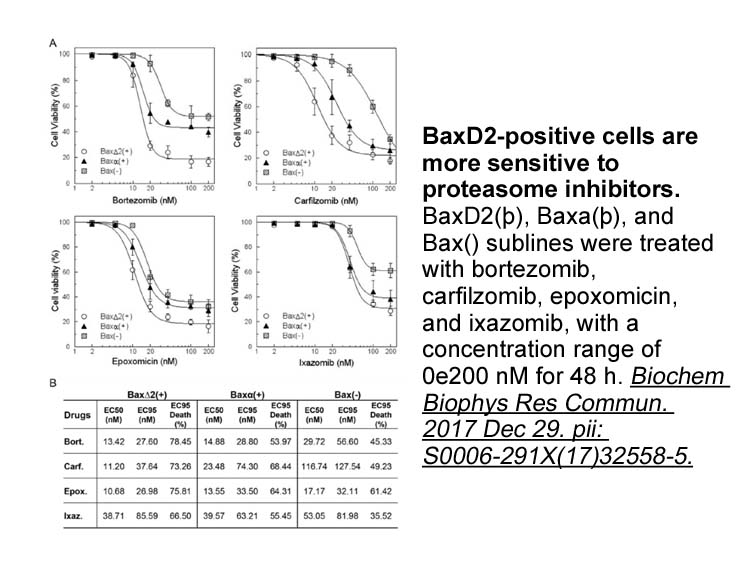
The cysteinyl leukotrienes (cysLTs) LTC, LTD, and LTE are increased in the airways of asthmatic subjects, with the ability to induce bronchoconstriction, vascular permeability, and mucus secretion., , , , CysLTs are well established as mediators of allergic rhinitis and asthma on the basis of the ef
-
Previous studies on the chemokines role in depression are no
2020-09-29
Previous studies on the chemokines role in depression are not detailed enough, and cannot sufficiently demonstrate even a hypothetical mechanism explaining the differences in levels of particular chemokines and their receptors, in relation to the severity of depression [29], [30]. Previous studies o
-
On the basis of the findings described
2020-09-29
On the basis of the findings described above, a series of heterotricyclic analogs were designed and synthesized. The human CRF1 receptor binding and antagonist activity data for newly designed heterotricyclic core antagonists 28–33 are described in Table 3. Most of the tricyclic core analogs listed
-
br Experimental section br Results br
2020-09-29

Experimental section Results Discussion In our previous work (Rashidi et al., 2018) we isolated a novel glucarpidase whose raised cpi 1 did not cross-react with the one in clinical use. In principle, therefore, it would be possible to delay the production of antibodies in a patient by alte
-
br Materials and methods br Results br Discussion In this
2020-09-29
Materials and methods Results Discussion In this study, we uncovered a female-specific haplotype-MDD vulnerability association, by which a two-marker haplotype TG of rs4633-rs4680 may link to enhanced MDD risk in females. Female haplotype TG carriers were estimated to have a 9.17-fold incre
-
In a recent study a
2020-09-29
In a recent study, a CMV DNA load cut-off of 500 IU/ml in BAL fluid was found to have a positive predictive value of ∼50% for the presence of probable CMV pneumonia (considering a prevalence of this event of 10% among patients at risk and undergoing BAL testing). Tan et al., in contrast, found CMV D
-
br Introduction Al Awqati and his colleagues using R
2020-09-28

Introduction Al Awqati and his colleagues using R(+)-methylindazone, R(+)-[(6,7-dichloro-2-cyclopentyl-2,3-dihydro-2-methyl-1-oxo-1H-inden-5-yl)-oxy] acetic Cucurbitacin B (IAA-94) (Landry et al., 1987) isolated the first chloride intracellular ion channel (CLIC) proteins (p64) from bovine kidney
-
Acknowledgments br Introduction Steroidogenesis the process
2020-09-28

Acknowledgments Introduction Steroidogenesis, the process of testosterone synthesis, occurs in the adrenal cortex, testis and ovary, and it is controlled by luteinizing hormone (LH), which is synthesized and secreted from the pituitary (Hanukoglu, 1992, Payne and Youngblood, 1995). In the testis
-
br Acknowledgements We thank Joseph Granger and Bryan
2020-09-28
Acknowledgements We thank Joseph Granger and Bryan Neumann for careful reading of this manuscript. This work is supported by NIH grants AG37609 and HL 60306 to TYC and CCYC. Introduction Eleven million tonnes of waste are produced yearly by the European pulp and paper industry (Monte et al.,
-
Obviously there are some limitations in our study due
2020-09-28
Obviously, there are some limitations in our study; due to sample constraints, we had to focus our efforts on one specific T cell epitope from one candidate autoantigen. Optimally, we could have studied several different peptides in parallel. Additionally, all RA patients included in the study have
-
The molecular mechanisms regulating the differentiation of T
2020-09-28

The molecular mechanisms regulating the differentiation of Th1 versus Tfh DBU synthesis from IL-12-stimulated CD4+ T cells remain largely uncharacterized in humans. This topic has been extensively studied in mice (Weinmann, 2014), because IL-12 stimulation promotes mouse naive CD4+ T cells to expre
-
In mice our EBI EGFP reporter showed that EBI
2020-09-28
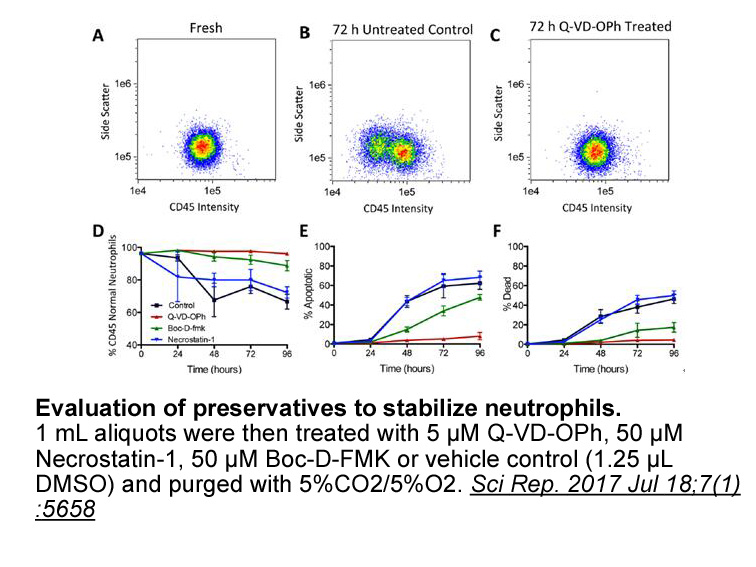
In mice, our EBI2EGFP reporter showed that EBI2 is expressed consistently in naive T helper cells. Already single positive CD4+ thymocytes express EBI2 (not shown). In effector and regulatory T cells in naive mice, the percentage of EBI2 expression was lower (∼40%). Like others (Liu et al., 2011), w
16336 records 796/1090 page Previous Next First page 上5页 796797798799800 下5页 Last page